
Thumbprint Cookies
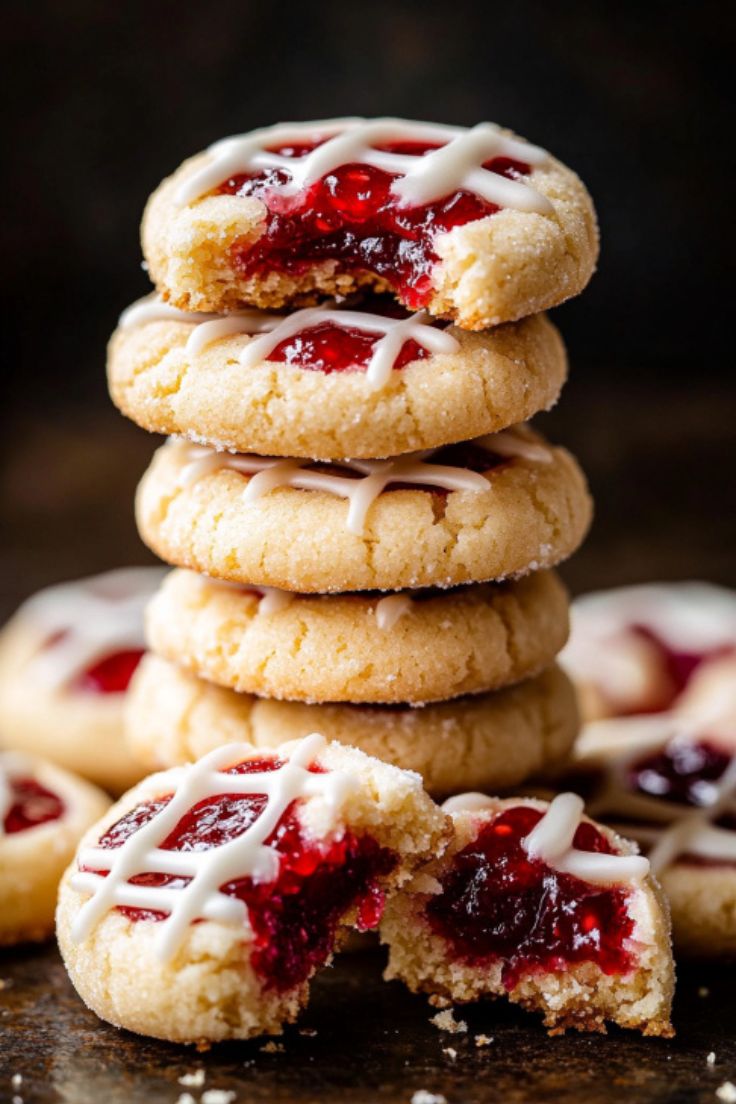
There’s something so satisfying about baking a batch of homemade thumbprint cookies. The process is simple and soothing—rolling soft, buttery dough into perfect rounds, pressing in that little well for jam, and watching them turn golden in the oven. When they emerge, they’re everything a cookie should be: crisp at the edges, soft in the center, and filled with sweet, glossy jam. Whether you’re making them for a holiday treat, a weekend baking project, or just because, these cookies are as fun to make as they are to eat. Grab your favorite jam, and let’s get baking!
For Thumbprint Cookies
- Unsalted Butter – Softened to room temperature for a rich, buttery base.
- Granulated Sugar – Adds sweetness and helps with the cookie’s texture.
- Light Brown Sugar – Tightly packed for a hint of molasses flavor and added softness.
- Egg Yolk – Provides structure and richness to the dough.
- Vanilla Extract – Enhances the overall flavor with a warm, sweet aroma.
- All-Purpose Flour – The main dry ingredient that gives the cookies their structure.
- Cornstarch – Helps create a tender, melt-in-your-mouth texture.
- Salt – Balances the sweetness and enhances flavor.
- Granulated Sugar (for rolling, optional) – Adds a slight crunch and extra sweetness to the exterior.
- Jam or Preserves – The star of the show! Use your favorite flavor—raspberry, strawberry, or apricot work wonderfully.

Thumbprint Cookies Recipe
A simple and classic recipe for soft, buttery thumbprint cookies filled with jam.
Print
PinServings: 24
Notes
Ingredients:
Cholesterol: 28mg | Sodium: 53mg | Potassium: 24mg | Fiber: 1g | Sugar: 12g |
Vitamin A: 247IU | Vitamin C: 1mg | Calcium: 9mg | Iron: 1mg
- 1 cup (226 g) unsalted butter, softened
- ⅓ cup (70 g) granulated sugar
- ⅓ cup (70 g) light brown sugar, packed
- 1 large egg yolk
- ¾ teaspoon vanilla extract
- 2 ¼ cups (280 g) all-purpose flour
- 2 teaspoons cornstarch
- ½ teaspoon salt
- ½ cup granulated sugar (for rolling, optional)
- ⅓ cup (105 g) jam or preserves (any flavor, raspberry recommended)
-
Prepare the Dough
Beat the softened butter in a stand mixer (or with a hand mixer) until creamy. Scrape down the sides, then add the granulated and brown sugar. Beat until fully combined (30–60 seconds). Add the egg yolk and vanilla extract, mixing well. -
Mix Dry Ingredients
In a separate bowl, whisk together the flour, cornstarch, and salt. Gradually add the dry mixture to the wet ingredients, mixing on low speed. The dough will appear crumbly—pause to scrape the bowl as needed. If necessary, use your hands to bring the dough together. -
Shape and Chill the Dough
Scoop out the dough and roll it into 1-tablespoon-sized balls, ensuring they are smooth and crack-free. If desired, roll each ball in granulated sugar. Place them on a wax-paper-lined plate or baking sheet. Use your thumb or the back of a teaspoon to create an indent in the center of each cookie. Transfer to the freezer and chill for 30 minutes. -
Fill and Bake
Preheat the oven to 375°F (190°C). In a small microwave-safe bowl, warm the jam for 5–10 seconds until easy to stir. Fill each cookie indent with jam. Arrange the cookies 2 inches apart on a parchment-lined baking sheet. Bake for 11 minutes or until the edges begin to turn golden brown. -
Cool and Enjoy
Let the cookies cool completely on the baking sheet before serving.
- The dough may seem dry, but avoid adding extra liquid—just press it together.
- Chilling helps prevent excessive spreading while baking.
- For a neat finish, smooth out thumbprints before baking and re-indent slightly after baking if needed.
Cholesterol: 28mg | Sodium: 53mg | Potassium: 24mg | Fiber: 1g | Sugar: 12g |
Vitamin A: 247IU | Vitamin C: 1mg | Calcium: 9mg | Iron: 1mg
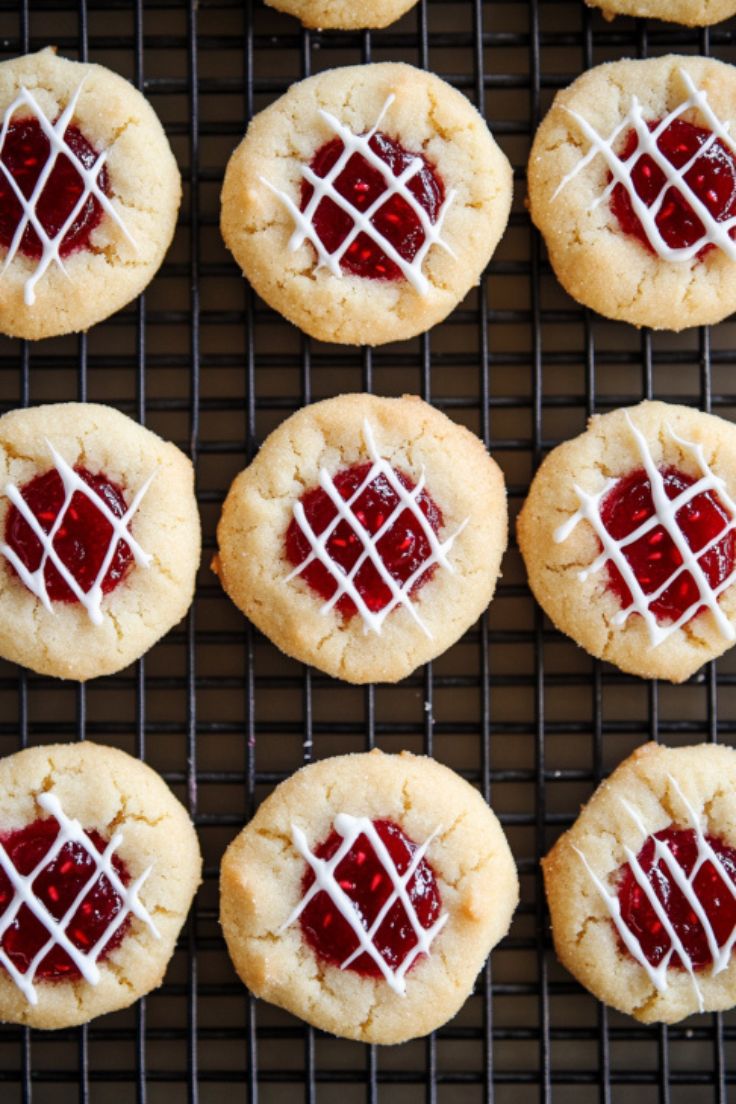
- How can I prevent my thumbprint cookies from spreading too much during baking?
Ensuring your butter is at the right temperature is crucial. It should be softened but not overly soft or melted. Additionally, chilling the dough before baking helps maintain the cookie’s shape. citeturn0search2 - Why do the indentations in my thumbprint cookies disappear during baking?
Cookie dough can puff up during baking, causing indentations to become shallow or disappear. To maintain the indentations, reinforce them immediately after baking by gently pressing with the back of a spoon while the cookies are still warm. citeturn0search3 - What can I use to create the indentations if I don’t want to use my thumb?
If you prefer not to use your thumb, especially if you have long nails, tools like a melon baller can create consistent indentations without sticking. citeturn0search5 - How can I prevent my thumbprint cookies from sticking to the baking sheet?
To prevent sticking, line your baking sheets with parchment paper or silicone baking mats. This ensures easy removal and even baking. citeturn0search1 - How can I ensure my thumbprint cookies have a tender texture?
Avoid overmixing the dough once you add the flour. Overmixing can develop gluten, leading to tougher cookies. Mix just until the flour is incorporated for a tender crumb.